A Comprehensive Overview to Putting Up and Preserving Your Pendant Light
Mounting and maintaining a pendant light needs mindful planning and execution. Appropriate height dimensions can enhance both performance and style. Necessary tools and a clear installation process are crucial for a successful configuration. Routine upkeep assurances long life and performance. Understanding these elements can change a space. However, recognizing where to begin might seem intimidating. What actions should one focus on to achieve the very best outcomes?
Recognizing Pendant Light Styles
While many homeowners seek to improve their rooms with Pendant lighting, comprehending the numerous designs offered is necessary for making an educated option. Pendant lights are available in a wide variety of styles, each offering unique aesthetic and functional advantages. Standard Pendant lights commonly feature timeless forms and materials, such as glass or metal, providing an ageless charm. Contemporary designs, on the other hand, may integrate vibrant shades and cutting-edge products to create striking focal points.
Industrial-style pendants often make use of resources like subjected light bulbs and rustic coatings, suitable for loft spaces and modern-day settings. For an extra whimsical touch, vintage-inspired alternatives evoke nostalgia with detailed details and retro surfaces. Additionally, minimalist layouts concentrate on simplicity and clean lines, attracting those who favor underrated sophistication. Recognizing these varied styles enables home owners to choose Pendant lights that not just matches their design but likewise serves their practical lighting needs successfully.
Measuring the Ideal Elevation for Your Pendant Light
Exactly how does one identify the ideal elevation for a necklace light? To accomplish the most effective functionality and aesthetic allure, numerous factors should be thought about. Generally, a necklace light should hang 30 to 36 inches above a table to ensure ample lighting without obstructing views. Precede with high ceilings, the fixture might be placed a little greater to preserve symmetry.
For cooking area islands, an elevation of 28 to 34 inches above the kitchen counter is generally advised, allowing for appropriate light insurance coverage while keeping an inviting environment. In living areas, the Pendant needs to be hung at an elevation that complements the bordering style and does not develop a risk for individuals strolling underneath it.
Eventually, individual preference and area measurements play substantial roles in figuring out the ideal height. Checking numerous elevations prior to last setup might aid attain the desired effect and performance.
Devices and Materials Needed for Installment
Successful installment of Pendant lights requires a specific set of products and devices to assure a smooth procedure. Crucial devices consist of a screwdriver, wire pole dancer, and a drill, which facilitate secure fixture accessory and appropriate electrical wiring. A voltage tester is crucial for verifying security by guaranteeing that power is off before beginning any electrical job.
In enhancement to devices, certain materials are needed for setup. These consist of the Pendant light itself, electrical wiring, cable nuts for protected links, and placing hardware. A ceiling hook might additionally be needed, relying on the fixture's style.
For added safety and ease, a ladder will certainly help in reaching high ceilings, while a degree ensures that the light hangs equally. Preparing these devices and products in advance improves the installation process, making it extra effective and reliable. Appropriate preparation is important to attaining an effective Pendant light installation.
Step-by-Step Setup Refine
With the required tools and products gathered, the setup procedure for Pendant lights can begin. The power supply must be turned off at the circuit breaker to assure safety and security. Next off, the placing brace requires to be attached to the electrical box in the ceiling. After protecting it, the electrician's tape should be made use of to cover any kind of revealed cords.
Complying with that, the Pendant light's cords are linked to the corresponding cables in the ceiling: black to black (or red), white to white, and green or copper for ground. Once the links are made, they should be secured with cord nuts.
The Pendant light can then be affixed to the mounting bracket, making sure it hangs at the desired height. Finally, the light bulb is put, and the power is turned back on at the circuit breaker, allowing the new Pendant light to brighten the space.
Preserving and Cleansing Your Pendant Light
What actions should be taken to ensure the longevity and visual appeal of Pendant lights? Regular upkeep and cleaning are vital in maintaining their beauty and performance. Dirt and dust can gather on Pendant lights, decreasing their sparkle. To cleanse, a soft, lint-free cloth or microfiber towel should be used, along with a gentle cleaner appropriate for the surface area material - Pendant Light. For glass or crystal necklaces, a glass cleaner can enhance clarity without streaks
It is suggested to shut off the light and enable it to cool down before cleaning. Furthermore, evaluating the component for loose light bulbs or connections occasionally guarantees security and peak performance. Transforming bulbs regularly prevents pressure on electrical elements if appropriate. Ultimately, maintaining a safe helpful resources setting by preventing direct exposure to dampness can considerably extend the life of Pendant illumination. Following these actions will keep Pendant lights looking their ideal while functioning properly.
Fixing Typical Pendant Light Issues
When pendant lights malfunction, numerous typical issues may arise, including flickering light bulbs, wrong installation, and voltage changes. Identifying the source is crucial for efficient repairing and making certain peak performance. Attending to these problems promptly can improve the durability and functionality of Pendant illumination components.
Flickering Light Light Bulbs
Flickering light bulbs can be a resource of disappointment for home owners, typically indicating underlying electrical concerns or simple upkeep requirements. This sensation might come from loosened bulb connections, where the light bulb is not securely matched the outlet, triggering periodic call (Pendant Light). Additionally, defective or aging bulbs might flicker as they near completion of their life expectancy. One more usual cause is irregular voltage, which can develop from concerns within the electric system or overloading circuits. Homeowners should likewise look for harmed electrical wiring, as this can cause flickering and pose security threats. Prompt replacements and routine evaluations are essential to assure proper functionality and to preserve a risk-free home setting. Determining the origin quickly can protect against additional difficulties

Wrong Installation Concerns
Inappropriate setup of Pendant lights can lead to a variety of concerns that might resemble those brought on by flickering light bulbs. Usual problems consist of loose electrical wiring connections, which can interfere with the flow of power and cause intermittent illumination. In addition, if the installing brace is not securely fastened, the Pendant may hang unevenly, creating an unsteady fixture that can create vibrations or sound. Inaccurate light bulb types or power level can also add to efficiency issues, as incompatible light bulbs may not work successfully in the fixture. Lastly, inadequate spacing from the ceiling can produce shadows or lower light distribution, lessening the desired impact of the Pendant light. Recognizing and addressing these installation errors is vital for accomplishing proper capability and visual allure.
Voltage Variation Troubles
Although Pendant lights can improve a space's ambiance, voltage variations can lead to significant performance concerns. These variations might cause flickering lights, lowered illumination, or even early bulb failure. To diagnose such problems, one must initially inspect the light fixture's compatibility with the voltage supply. Utilizing a multimeter can aid gauge voltage degrees and recognize irregularities. If voltage problems continue, it may be necessary to check the electrical system for loosened connections or damaged circuitry. In some instances, getting in touch with an accredited electrician is a good idea to guarantee safety and compliance with local codes. Appropriately addressing voltage fluctuations not just boosts the visit our website performance of Pendant lights but also prolongs their life-span and improves general lights quality.
Enhancing Your Area With Pendant Light Placement
Reliable Pendant light placement can significantly enhance a space by adhering to optimal elevation standards, ensuring the right illumination level. Layering these lights with other resources can produce a balanced environment, highlighting focal points within the room. Achieving a harmonious look needs cautious consideration of both the fixture's placement and its relationship with surrounding aspects.
Ideal Elevation Standards
When considering the optimal height for Pendant lights, a basic standard recommends hanging them approximately 30 to 36 inches above a counter top or table surface area. This elevation permits for maximum lighting while ensuring that the light does not block views or create risks. In eating areas, Pendant lights must be placed to enhance the dining experience, typically around 28 to 34 inches above the table. For kitchen area islands, maintaining harmony across multiple pendants can create a cohesive look; spacing them evenly and adhering to the suggested height improves performance. It is necessary to take into consideration ceiling elevation too, as higher ceilings might require changes to maintain symmetry and visual allure. Correct height positioning greatly adds to the overall setting of a room.
Layering With Various Other Lights
As Pendant lights are incorporated into a wider lighting style, they can considerably enhance the environment of a space. Their convenience enables them to be layered with ambient, task, internet and accent lights, developing a harmonious balance. Incorporating pendant lights with recessed illumination can give basic lighting while highlighting particular areas. Task lighting, such as under-cabinet lights, can enhance pendants in cooking areas, ensuring performance without sacrificing style. Accent lights, like wall surface sconces, can additionally improve the environment, attracting interest to art work or architectural attributes. By strategically positioning these light resources, homeowners can achieve deepness and measurement, changing an average room into a wonderfully brightened establishing that satisfies numerous activities and state of minds.
Centerpieces and Balance
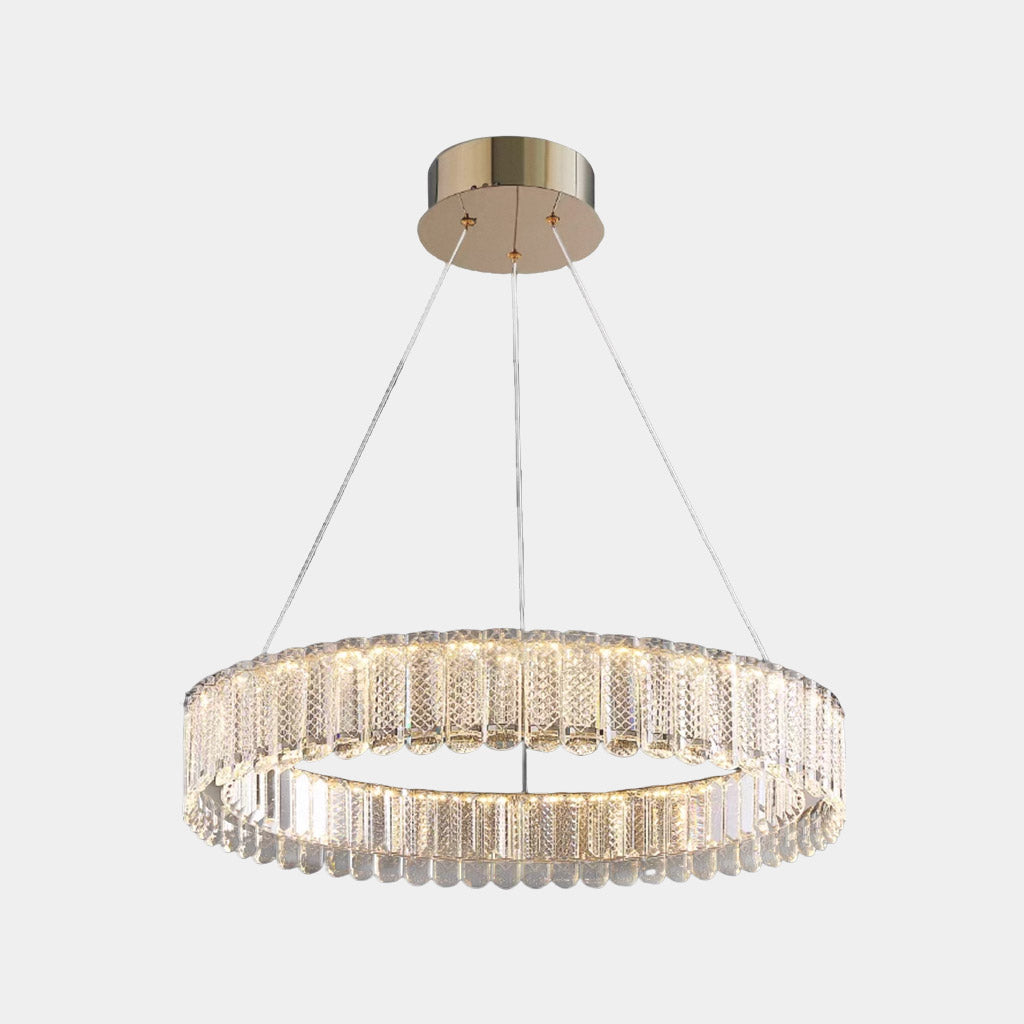
Purposefully positioned Pendant lights can serve as charming prime focus within an area, drawing the eye and enhancing the overall visual. When selecting pendant lights, it is important to take right into account their shade, dimension, and shape to ensure they match the existing style. As an example, a vibrant, oversized Pendant can develop a striking focal point over a dining table, while smaller sized components might function better in clusters to attain a well balanced look. Additionally, placing Pendant lights at varying elevations can add deepness and aesthetic rate of interest to the area. Preserving equilibrium with other components, such as furnishings and wall surface colors, will certainly make certain that the Pendant lights improve the room without frustrating it. Thoughtful positioning changes the setting, creating an unified and inviting environment.
Frequently Asked Concerns
Can I Set Up a Pendant Light in a Recessed Ceiling?
The concern of whether a pendant light can be mounted in a recessed ceiling typically arises. Normally, it is feasible with ideal installing hardware, ensuring appropriate support and electrical links for risk-free and reliable installation.
What Kind of Light Bulb Is Ideal for Pendant Lighting?
When selecting bulbs for Pendant lights, LED choices are often preferred because of their power performance and durability. Furthermore, the shade temperature level ought to match the desired setting, with warm white being a popular selection for cozy settings.
Are Pendant Lights Safe for Outdoor Use?

How Do I Select the Right Pendant Light Electrical Power?
Selecting the ideal Pendant light power level involves evaluating the area's size, desired illumination, and fixture compatibility. Normally, reduced electrical powers match ambient lights, while greater wattages give job illumination, ensuring capability and aesthetic appeal.
Can I Make Use Of a Dimmer Change With My Pendant Light?
The question arose whether a dimmer switch might be utilized with a necklace light. Normally, if the light and light bulb are suitable, a dimmer switch can successfully improve setting and control illumination levels.
When pendant lights breakdown, a number of typical issues might develop, consisting of flickering light bulbs, wrong installation, and voltage changes. Incorrect installment of Pendant lights can lead to an array of problems that might resemble those caused by flickering light bulbs. Insufficient spacing from the ceiling can develop shadows or lower light distribution, decreasing the intended effect of the Pendant light. Efficient Pendant light positioning can significantly improve a space by sticking to optimal height standards, ensuring the right lighting level. When choosing bulbs for Pendant lights, LED alternatives are often chosen due to their power performance and durability.